


When to Replace Your Food Storage Containers?
The short answer? It depends on whether you are raising a few backyard pets or running a serious poultry business. If you are looking for a permanent
Take a look in your kitchen or commercial pantry. Those plastic bins and boxes have seen better days, right? Most people think food storage containers last forever. They don’t. Using worn-out containers isn’t just about aesthetics; it’s about food safety, hygiene, and efficiency.
Whether you’re a home cook or a restaurant owner in the UAE, your storage gear has a shelf life. Cracks, odors, and warping are signs that your containers are no longer protecting your ingredients. At Tekin Plast, we focus on high-quality, durable solutions, but even the best gear needs a refresh eventually.
Table of Contents:
How Often Should You Replace Food Storage Containers?
As a general rule, plastic food storage containers should be replaced every six months to a year if used daily, or immediately if they show signs of warping, deep staining, or physical damage. High-quality ingredient bins, like those used in commercial kitchens, can last much longer, often several years if maintained properly.
These cages are built for “the grind.” We are talking about a load-bearing capacity of up to 400kg. You can stack them ten layers high without worrying about the bottom one buckling.
Spotting the "Silent" Damage
Scratches aren’t just ugly. They are hiding places for bacteria. If you see deep knife marks or abrasive scrub damage on the surface, you can’t get it truly clean. This is especially true for plastic containers. If the texture feels “pitted” or sticky even after a wash, it’s time to let go.
The Warping Problem
The UAE heat and high-temperature commercial dishwashers are brutal. If your lids don’t click shut or the base is bowed, the seal is gone. A bad seal means air gets in, and your food spoils faster. If it’s not airtight, it’s not a storage container anymore; it’s just a bowl.
Why Is It Important to Use Quality Plastic Containers?
Using premium food storage containers ensures that your bulk ingredients stay dry, pest-free, and safe from cross-contamination. Cheap, flimsy plastic can leach chemicals or crack under the weight of heavy dry goods.
Handling Bulk Ingredients
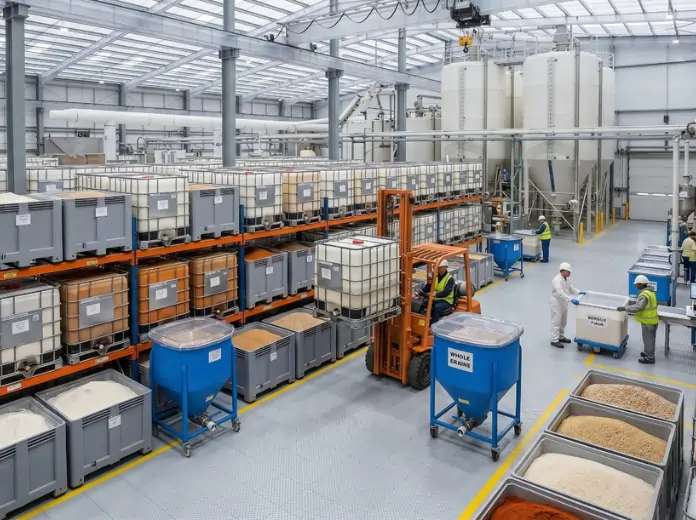
For businesses, the stakes are higher. An ingredient bin needs to handle 50kg of flour or sugar without buckling. If the plastic is thin, it can develop stress fractures. Quality bins from Tekin Plast are designed for the rigors of a busy kitchen, using food-grade materials that resist staining and odors.
Managing Stains and Smells
Ever notice how a container smells like onions even after three washes? That’s because plastic is porous. Over time, those odors become permanent. If a container has a lingering scent that transfers to other food, its life is over. Higher-grade plastics are less prone to this, but nothing is invincible.
What Are the Signs Your Ingredient Bins Need an Upgrade?
The main signs include cloudiness in the plastic, broken wheels on mobile bins, and lids that no longer fit snugly. If you find yourself struggling to open or move your storage units, they are slowing down your workflow.
Cloudiness and Discolouration
Cloudy plastic is a sign that the material is breaking down. This usually happens after hundreds of wash cycles or exposure to extreme heat. Once the plastic becomes brittle, it can shed tiny particles into your food. Don’t wait for a piece of plastic to end up in a customer’s meal.
Mechanical Failure
In a commercial setting, “storage” often means “mobile.” If the casters on your ingredient bin are sticking or the sliding lid is cracked, you’re looking at a safety hazard. Proper storage should make your life easier, not more difficult.
How To Make Your Containers Last Longer
You can extend the life of your storage gear by hand-washing when possible, avoiding harsh chemicals, and keeping it away from direct sunlight. The UV rays in the Gulf can degrade plastic faster than almost anything else.
Temperature Control
Avoid putting hot food directly into plastic containers. Let it cool slightly first. Drastic temperature changes from a hot stove to a cold fridge cause the plastic to expand and contract, which eventually leads to cracking.
Proper Cleaning Tools
Stop using steel wool on your plastic bins. Use soft sponges. Every scratch you create is a potential home for mold. If you treat your gear with respect, it’ll return the favor by keeping your food fresh for a long time.
Final Thoughts
Your storage is only as good as the seal it provides. If your bins are stained, cracked, or simply old, you’re risking your food quality. Is your pantry currently full of “zombie” containers that should have been tossed months ago?
FAQ
The short answer? Yes, but it’s a warning. Staining means the plastic is porous. While a stain alone isn't toxic, it usually comes with trapped odors. If you can't get the smell out, the container is on its last legs.
Most are labeled "dishwasher safe," but usually only on the top rack. High heat in the bottom rack of a commercial dishwasher is a prime cause of warping. If you want them to last, hand-wash the lids.
Don't just toss them in the bin. Check for the recycling symbol on the bottom. Many food-grade plastics are highly recyclable. You can also repurpose them for non-food items like screws, craft supplies, or garden seeds.
Try the "squeeze test." Close the container and give it a gentle squeeze. If you hear air whistling out, it’s not airtight. Your crackers will be soggy in two days.


